Sump Pump Maintenance Checklist for Lake Forest & Deerfield Homeowners
Living along Chicago’s North Shore offers charming neighborhood views, but it also comes with distinct seasonal challenges for home infrastructure. In communities like Lake Forest, Deerfield, and Highland Park, high water tables, proximity to Lake Michigan, and heavy spring rainfall demand a reliable groundwater drainage system. Your primary line of defense against severe basement flooding is a properly functioning basin system, making routine sump pump maintenance an absolute necessity for every local homeowner.
When seasonal thaws or intense Midwest thunderstorms roll through Lake County, a neglected pump can fail within minutes, resulting in thousands of dollars in water damage, ruined drywall, and structural mold remediation. Taking a proactive approach to caring for your basin and motor ensures your equipment triggers reliably the moment rising groundwater hits your foundation.
Seasonal Care Matrix for North Shore Drainage Systems
To keep your equipment running at peak efficiency, follow this quick-reference schedule tailored to the seasonal weather patterns of Northern Illinois.
| Inspection Interval | Maintenance Action Items | Critical Focus Area | Primary Benefit |
| Early Spring (Pre-Thaw) | Clear pit debris, inspect check valve, test float switch | Sump Basin & Motor Inlet | Prevents mechanical jams during rapid snowmelt and heavy rains. |
| Mid-Summer | Test battery backup, inspect exterior discharge line | Backup System & Discharge Pipe | Protects against storm power outages and saturated soil backflow. |
| Late Autumn | Remove discharge extension hoses, flush pit with water | Freeze Prevention & Line Pitch | Prevents ice blockages inside the pipe from damaging the motor. |
| Annual Deep Inspection | Full mechanical overhaul, clean intake screen, check GFCI | Electrical & Motor Seals | Extends overall equipment lifespan and prevents sudden motor burnouts. |
Understanding Your Basement Drainage Network
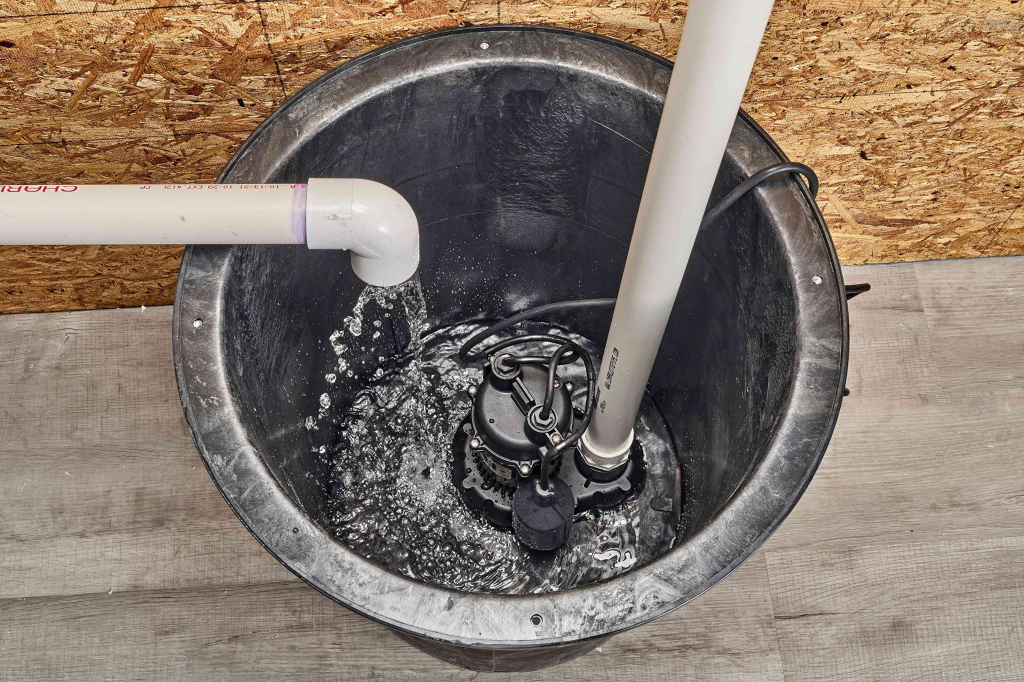
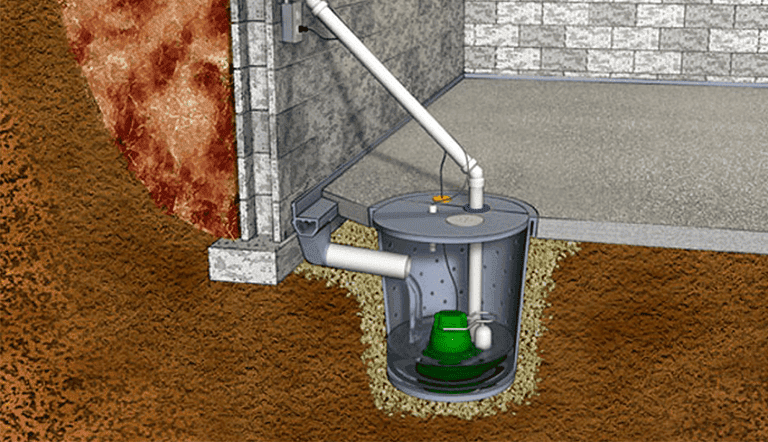
A residential sump pump sits inside a pit (or basin) constructed at the lowest level of your basement or crawlspace. As rainwater and ground moisture saturate the soil around your foundation, perimeter drain tiles route this excess water directly into the basin.
As water enters the basin, a mechanical float switch rises. Once the water level reaches a specific trigger point, the electric motor turns on, driving an internal impeller that pushes water up through a vertical discharge pipe and safely out away from your home’s foundation walls.
Because this machinery operates in a damp environment filled with fine sediment, silt, and gravel, routine sump pump maintenance is necessary to keep mechanical components moving freely.
Step-by-Step Sump Pump Maintenance Checklist
Performing basic preventative care does not require specialized tools, but following a structured process helps ensure no critical safety components are overlooked.
1. Disconnect Electrical Power
Safety is paramount whenever water and electricity meet. Before placing your hands inside the basin or inspecting electrical wires, unplug the main unit and any auxiliary backup systems from the wall outlet. Verify that the outlet itself is a functioning Ground Fault Circuit Interrupter (GFCI) to guard against electrical shorts.
2. Inspect and Clean the Sump Basin
Over time, mud, small pebbles, and household dust wash off drain tiles and settle at the bottom of the liner.
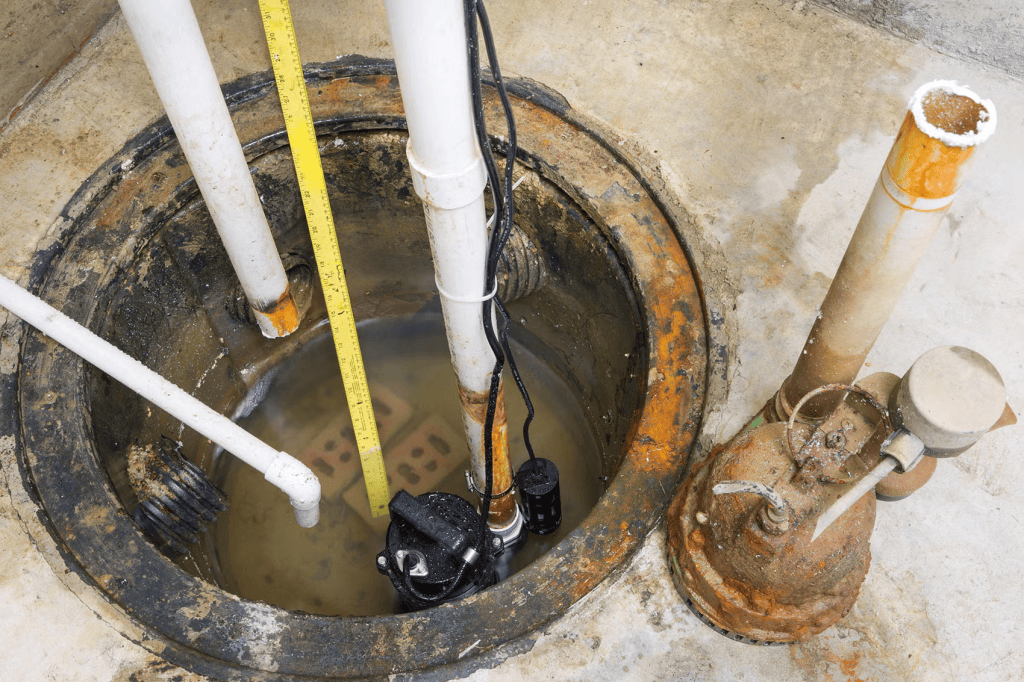
- Remove any large debris, stones, or sediment accumulation by hand or with a small scoop.
- Ensure the pump sits level on a solid, elevated masonry brick or concrete pedestal rather than resting directly on bare gravel, which can easily suck into the impeller.
3. Clear the Intake Screen and Impeller
The intake screen at the base of the unit prevents solid debris from reaching the spinning impeller blades. Wipe down the screen with a stiff wire brush to remove algae or mineral buildup. According to official guidelines from the Federal Emergency Management Agency (FEMA), cleaning the pump inlet screen at least once per year is essential to keep water moving freely and prevent motor overheating.
4. Verify Float Switch Operation
The float switch serves as the mechanical brain of your system. If the float catches on electrical cords, gets pinned against the wall of the basin, or becomes coated in sticky grime, it will fail to turn the pump on—or run continuously until the motor burns out completely. Manually raise and lower the float arm to confirm it moves smoothly without binding.
5. Check the Valve and External Discharge Line
Directly above the pump on the vertical discharge pipe, you will find a one-way check valve. This valve ensures water pushed out of the pit does not fall back inside when the motor shuts off.
- Inspect the check valve for visible cracks or weeping rubber couplings.
- Step outside your home and check the exterior discharge exit. Ensure water empties at least 10 to 15 feet away from your foundation wall, pointing downhill.
- In late autumn, disconnect any flexible garden hoses attached to the exterior line. If water freezes inside an attached hose during a Lake Forest winter, it creates a complete blockage that will burn out your motor during the next thaw.
Testing Your System with the Water Bucket Method
The easiest way to verify that your care routine was successful is to simulate a rising groundwater event.
- Reconnect your pump to the GFCI electrical outlet.
- Slowly pour a 5-gallon bucket of clean water directly into the basin.
- Observe the float switch as the water level rises. The motor should engage smoothly once the float reaches its activation point.
- Confirm that water is evacuated rapidly through the check valve and that the motor shuts off cleanly once the basin is empty.
If you hear a grinding noise, if the motor hums without moving water, or if the system fails to engage, your unit requires immediate diagnostic repair.
The Critical Role of Battery Backup Systems
Primary pumps run entirely on your municipal electrical grid. Unfortunately, severe North Shore storms that bring heavy rainfall often bring localized power outages due to downed tree limbs.
Investing in a secondary, battery-backed backup system provides crucial protection. A quality battery backup system includes an independent secondary pump, a dedicated float switch, and a heavy-duty battery. If your main electrical power drops out or your primary pump suffers a mechanical failure, the battery backup automatically takes over to keep your basement dry.
When to Call a Licensed Local Plumber
While basic cleaning can be completed by most homeowners, certain mechanical indicators require professional intervention:
- Continuous Operation: A pump that refuses to shut off often indicates a damaged switch or a failed check valve allowing water to cycle continuously.
- Excessive Noise or Vibration: Loud rattling or screeching points to worn motor bearings or a bent impeller shaft.
- Aging Units: Most residential units have a functional lifespan of 7 to 10 years. If your system is approaching a decade of service, proactive replacement is significantly cheaper than restoring a flooded basement.
To ensure your home remains protected against unexpected water damage, schedule a comprehensive system check or backup installation with Yale the Plumber, serving homeowners throughout Lake Forest, Deerfield, and the surrounding North Shore communities.